

Interview with Vox Populi
Philadelphia Artist-Run Spaces series Episode 03

Vox Populi is an evolving collective of artists dedicated to fostering experimental contemporary art through a non-hierarchical, inclusive, and equitable framework. Since 1988, Vox has served as a critical nexus within the Philadelphia arts ecosystem, presenting exhibitions, public programs, and performances, while remaining responsive to the shifting needs of our community.
319 North 11th St. 3rd Floor, Philadelphia, PA 19107
Gallery Hours: Thursdays from 4—6 p.m.; Friday–Sunday from 12—6 p.m.; or by appointment.
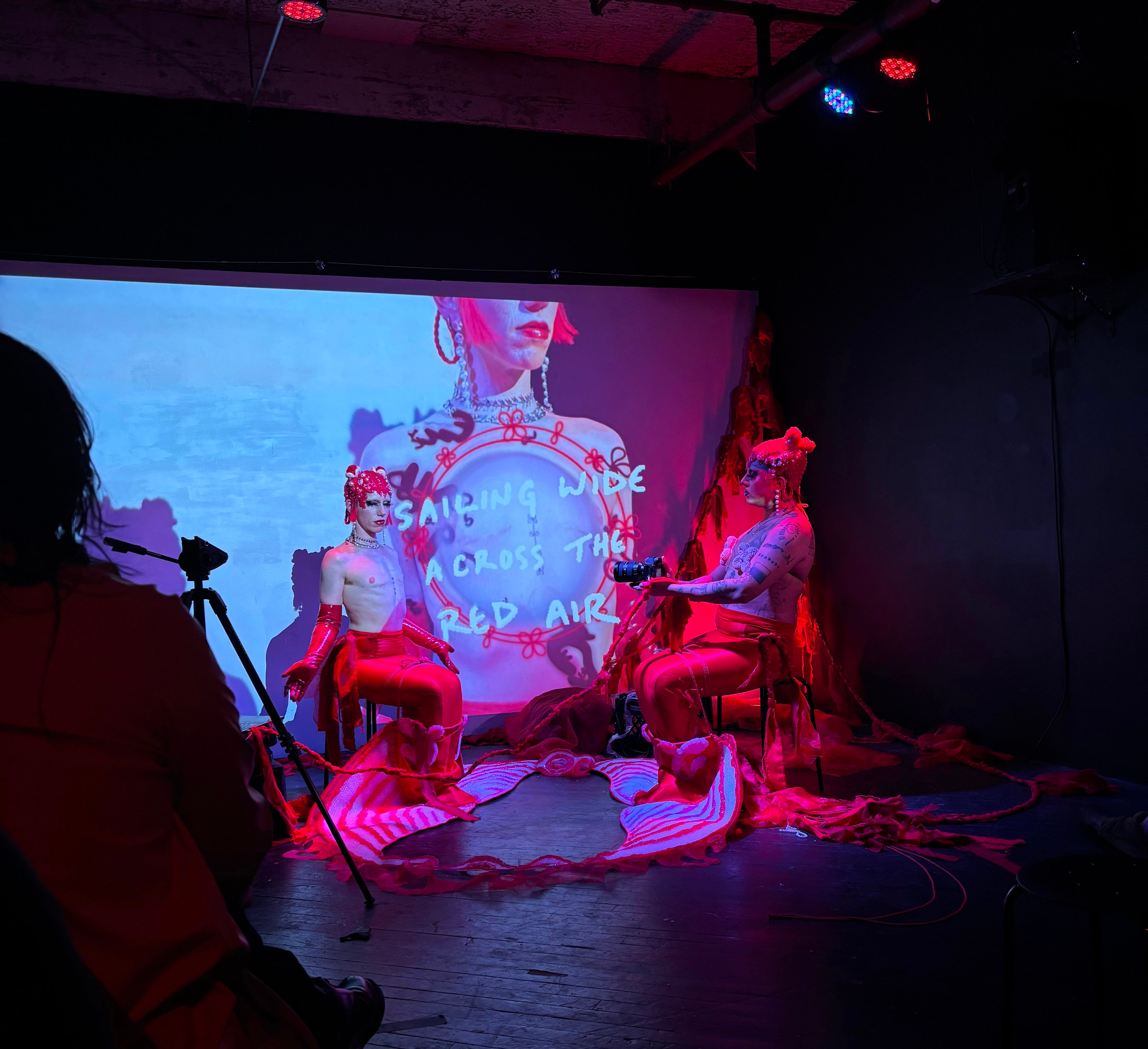
Space On Space: There's such an abundance of artist-run spaces here in Philadelphia. What do you think it is about Philly that allows artist-run spaces to crop up and often flourish?
Vox Populi: I think there is a very strong DIY culture in Philadelphia—not only in the arts but in almost every facet of civic life, from the truck bed modifications that scrappers self-rig to the cones that appear in potholes to the hundreds of basements that have been converted into speakeasies and music venues. Artist-run spaces, like Vox Populi, are a part of that ethos and legacy. Philadelphia artists go out and create the spaces that they need.
And, luckily, this remains financially viable here in a way it no longer is in many other major cities. While affordability is relative, the cost of rent, studio space, and shared commercial leases in Philadelphia still makes it possible for artists to take collective risks and sustain experimental spaces over time, something that has become increasingly difficult elsewhere.
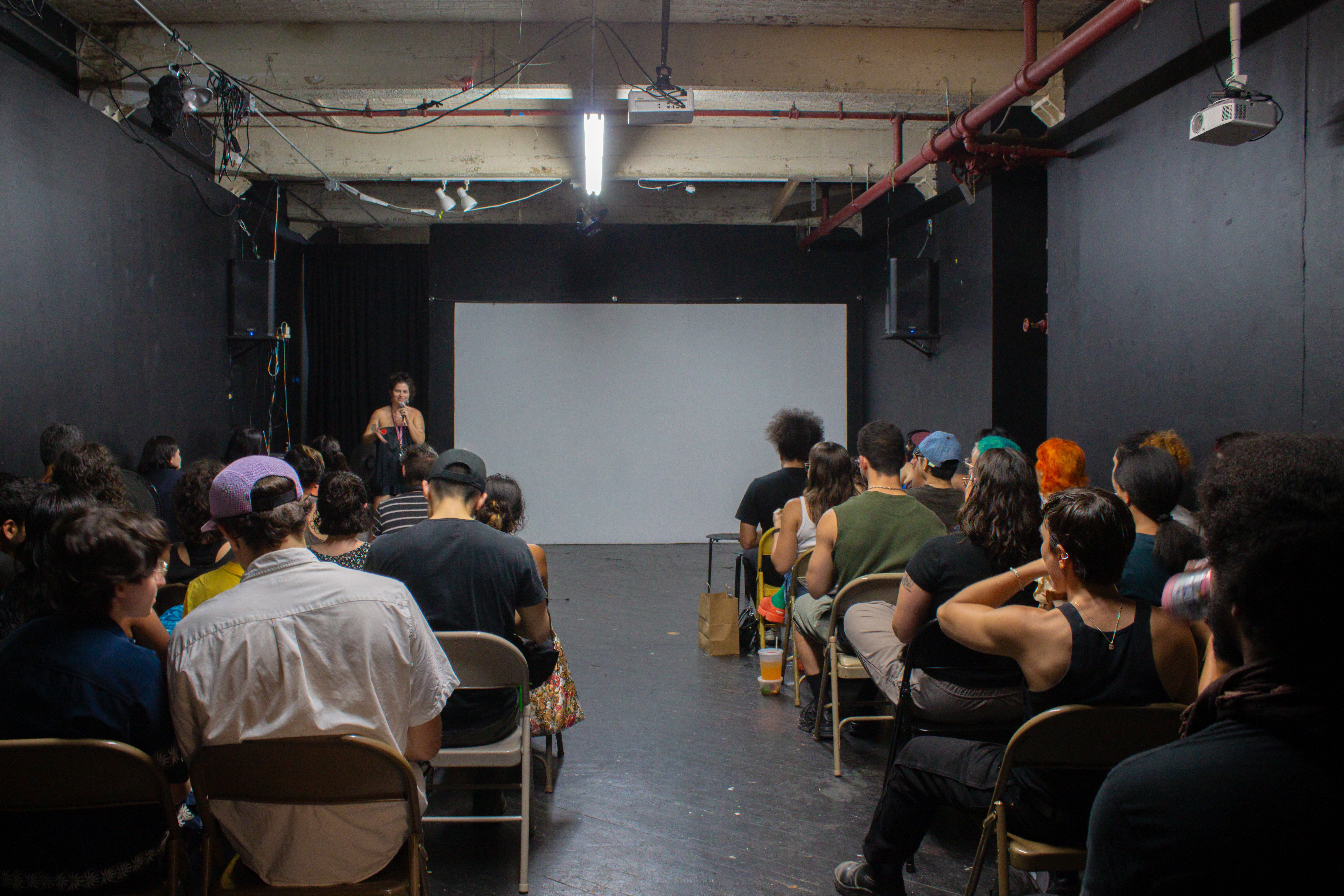
SOS: Vox Populi has been running since 1988—what conditions made it possible then, and what conditions keep it possible now?
VP: In 1988, a group of artists came together and pooled their resources to rent a space and start a gallery—just as many collectives in the city, both new and established, still do. Being a collective member meant paying dues and directly supporting the organization’s finances. It was entirely self-governed and self-staffed by the collective, with members sharing both the creative vision and the operational labor.
In 2006, Vox incorporated as a nonprofit. That shift allowed the organization to apply for foundation and government grants, establish staff positions and a board of directors, and redistribute some of the administrative and financial responsibility that had previously rested solely on artists’ shoulders. Importantly, the artist collective remained the guiding force of the organization’s programming and vision.
Today, we are primarily funded through grants and institutional support, supplemented by individual donations, many different types of fundraising events, and earned revenue through event rentals. That diversified funding structure, combined with ongoing collective leadership, has made it possible to sustain Vox for nearly four decades while still centering artists as decision-makers.


SOS: I came across an essay published in Title Magazine, titled “Longevity: On the Life Spans of Artist-run Spaces.” In what ways does being non-commercial shape the kind of experimentation Vox can support—and are there ways it also limits what’s possible?
VP: Being non-commercial means it doesn’t matter if an artist’s work sells or not; in fact, Vox isn’t really involved with selling artwork at all, apart from the occasional fundraising event. It means we can give artists free rein to make work without the pressures of generating profit for the gallery. For us, being non-commercial doesn’t feel limiting; it feels clarifying. We’re not structuring programs around sales targets or collector relationships, so our decisions can stay rooted in artistic inquiry and collective vision. We operate within the realities of nonprofit funding, of course, but those frameworks don’t dictate the content of the work. If anything, they allow us to double down on experimentation as a core value.
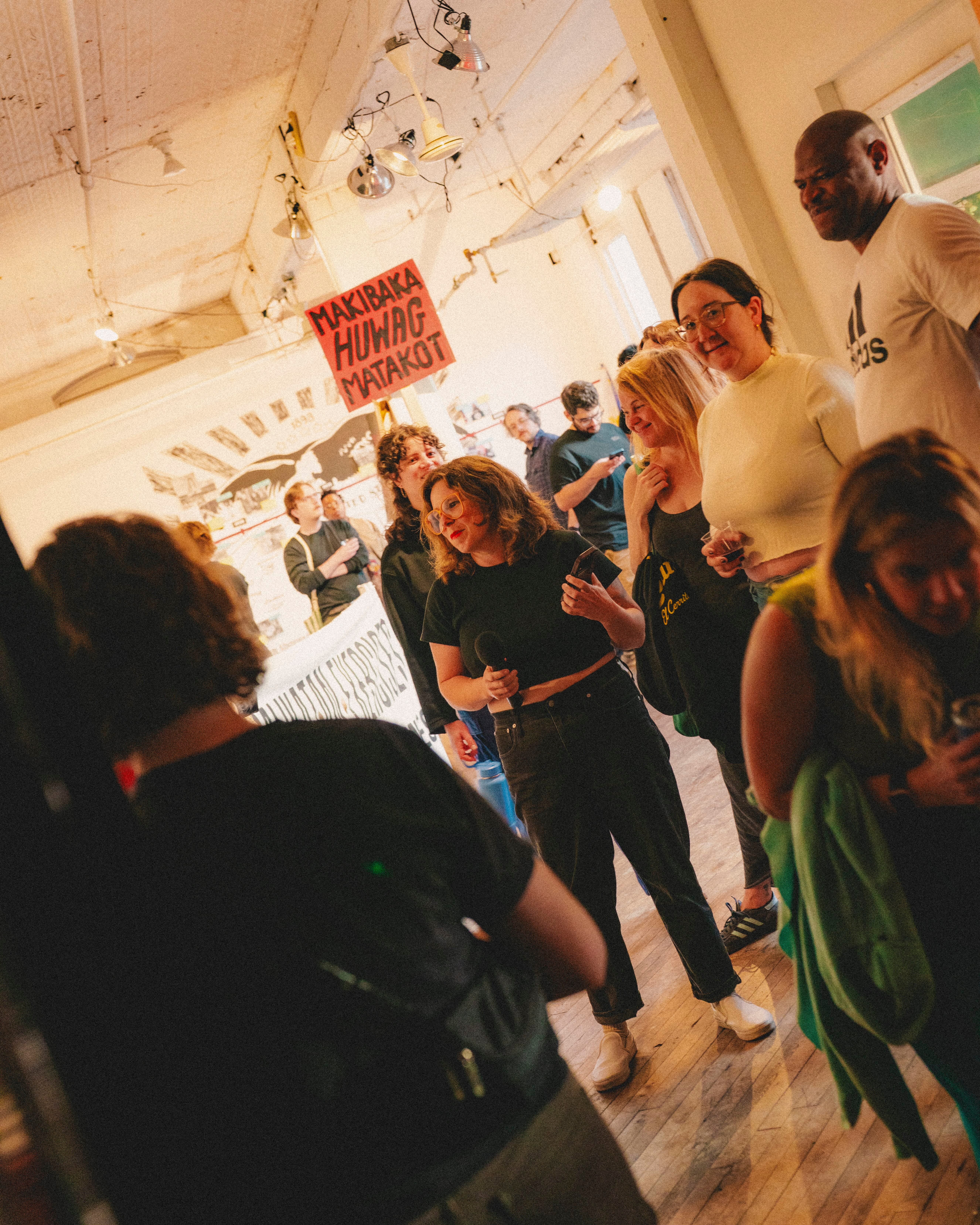
SOS: What do you see as the relationship between artist-run spaces and more commercial galleries in Philadelphia—competition, collaboration, parallel ecosystems, something else?
VP: I experience the relationship as both parallel ecosystems and collaboration. Vox recently collaborated with Pentimenti Gallery, for example. In many ways, we operate within parallel fiscal ecosystems, but culturally, we’re deeply interconnected. We’re often working with the same artists. And I’d hesitate to frame this relationship as existing only between artist-run and commercial spaces. Larger arts organizations are part of this ecosystem, too. Even if those institutions don’t always see the ways small, artist-run spaces influence the field or their work. Artists, curators, and audiences move between all of these spaces, and that permeability is part of what makes Philadelphia’s cultural landscape dynamic.
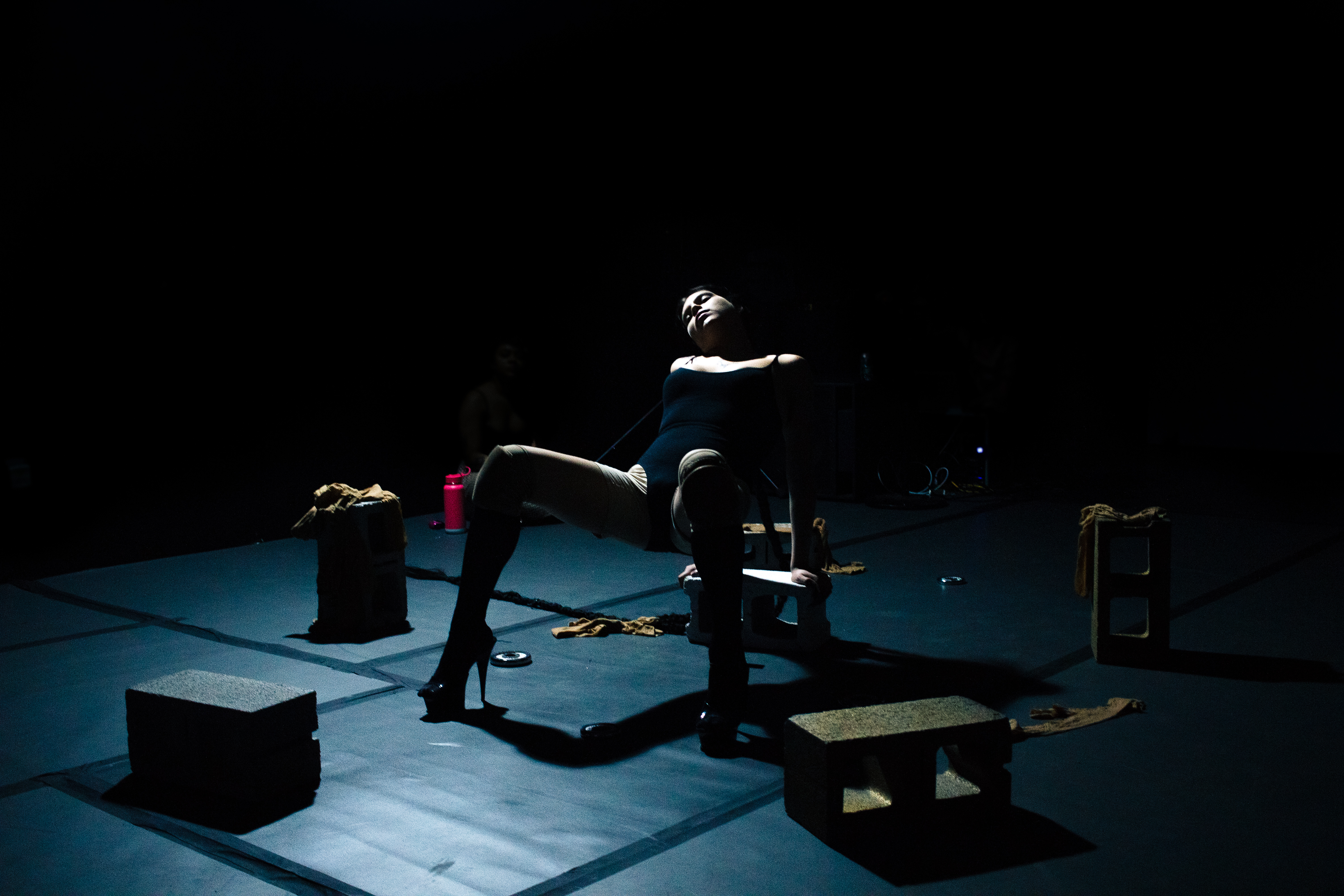
SOS: What does it actually cost to keep the doors open—emotionally and/or financially—and how do you cover it?
VP: The cost to keep the doors open has varied from year to year—and is reflective of both larger economic factors as well as Vox’s capacity. The cost from day to day is an extreme amount of human labor–from collective members, from artists and curators we work with, from staff, and from our board–most of these people are volunteers, and it is this generosity of time that keeps our doors open. It means many, many meetings where people from different backgrounds have to come together and decide on a mutual plan.
SOS: I noticed something called Collective Futures that is launching in fall 2026. Can you talk more about this?
VP: Collective Futures is a six-week, citywide initiative launching in fall 2026 that will activate more than 30 artist-run and community-centered spaces across Philadelphia. We’ve been holding large, collaborative planning meetings since 2023, and we’re excited to come together with so many partners and peers to present an ambitious and deeply interconnected slate of programming.
Featuring over 25 visual arts exhibitions, 15+ public programs, printed media, and a public symposium, Collective Futures demonstrates the range and scale of experimentation and cultural infrastructure thriving in Philadelphia. Through exhibitions, publications, and public programs, Collective Futures investigates the inner workings, histories, and creative processes of collectives and DIY spaces in the city.
Collective Futures affirms Philadelphia as a thriving center of artist-run spaces and artist-centered cultural infrastructures. It highlights the strength and resilience of non-hierarchical, collective models as foundational to the city’s creative life. By positioning collective practice as both an artistic and civic methodology, the initiative celebrates and reinforces the networks, relationships, and shared resources that make Philadelphia’s cultural ecosystem dynamic and enduring.
SOS: Why is “mapping the ecosystem” important right now?
VP: I think a map helps people find what they are looking for – and helps everyone locate themselves relationally.
SOS: Is the sentiment the same now as it was in 2016 when the Apollo Magazine piece was written?
“West Philly punks won’t talk to the South Philly punks,” but everyone turns up to support each other as “the art community has to hold itself.”—Bree Pickering
How have things changed?
VP: I won’t pretend to have confident knowledge about the inner workings of Philly’s various punk scenes, but I will say there is a vast, complex, interwoven set of artistic, political, cultural, and subcultural communities that are invested in the arts in Philly, and they may sometimes all find themselves at the same event. I do think, at its best, there is a “more is more” attitude that encourages collaboration over competition.
SOS: What do you see as the biggest missing piece in Philly’s art ecosystem right now—funding, space stability, documentation/archives, art collectors, art criticism, or something else?
VP: All of these things are important and could always use strengthening. But I do think funding and space stability are huge—more than anything, a healthy arts ecosystem needs the means to make art and show it to other people.