

Interview with Icebox Project Space
Philadelphia Artist-Run Spaces series Episode 01

Icebox Project Space is a unique exhibiting space that hosts experimental visual arts and performance within our 3,400 sq ft gallery. Our mission is to support and partner with Philadelphia-based curators, organizers, and artists to ensure the longevity of the DIY arts community in the city.
1400 N American St., Philadelphia, PA 19122 | First Floor of Crane Arts
Gallery Hours: Check in with the gallery for hours
Space On Space: There’s such an abundance of artist-run spaces here in Philly. As someone who’s been running Icebox Project Space for over a decade, what do you think it is about Philadelphia that allows artist-run spaces to crop up and often flourish?
Icebox Project Space (Timothy Belknap): I think Philly artists are extremely resourceful and, for the longest time, were able to function on a DIY shared economy where artists pooled resources, gathered in cheap large spaces, and, for the most part, mirrored a city that was financially struggling but with an underdog mentality.
Thinking back about how I started running an art space, it was my collaborator Ryan McCartney, and I who first started doing artist projects in Icebox about 15 years ago, while we were acting as the primary art handlers for this massive space in Kensington. We both had met the owners through Tyler School of Art, and with our backgrounds in construction, had been hired to do construction on the building during the summer, which evolved into helping with exhibitions. Then, when there were available slots and times in the Icebox, we’d propose show ideas. Then, over the course of maybe a year, we were given the keys and asked to manage the programming. This arrangement worked well because we could bring in ambitious artists and projects due to our ability to make almost anything possible, but I don’t think either of us had any ambition around running an art space, and I don’t think we would have in any other city.
We ended up running an art space, in my opinion, because Philly has lacked a pipeline of curators and organizers who would typically fill these roles. When I lived in Chicago, I just remember how many recent graduates were starting art spaces in their garages, houses, etc., and I wanted to be that curator or organizer. And when someone in Philly chooses to go into curating or opening a gallery, there just is not enough money, attention, or support for it to last more than a few years.
I have had the pleasure of working with so many incredible curators and organizers here in Philly, but financially, they are competing with developers for space, NYC for sales, and at times, the large Philly-based art non-profits for opportunity. I think someone only has so much energy trying not to pay out-of-pocket for a space and then needing to try to convince people to show up, and just doing that over and over and over. That can take a real emotional toll, and I feel like the collective model is just trying to carry that weight and distribute it among several artists.
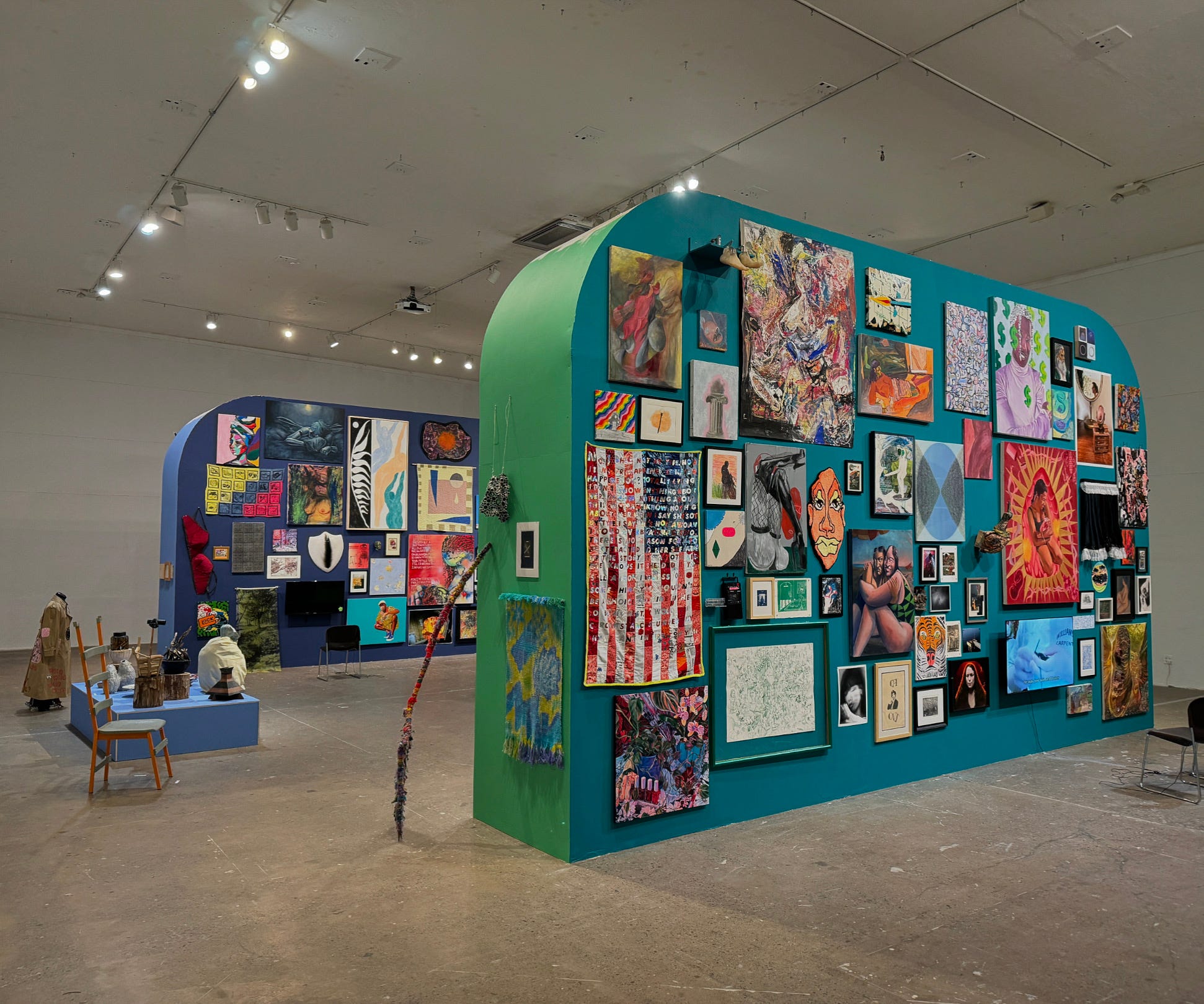
SOS: Your mission language emphasizes community betterment and social change, and programming with urgency and relevance. What does “urgency” mean to you in practice?
IPS: I think our new mission statement doesn’t use the word urgency, but for me, urgency can mean addressing the needs of your community, possibly around safety or access, but I also think that there’s an urgency in an artist’s practice. I think artists need to take steps forward, or leaps of faith. There are a lot of times I’ll be talking to an artist who is right at that moment, and I start feeling that urgency and desire to trust them and support them.
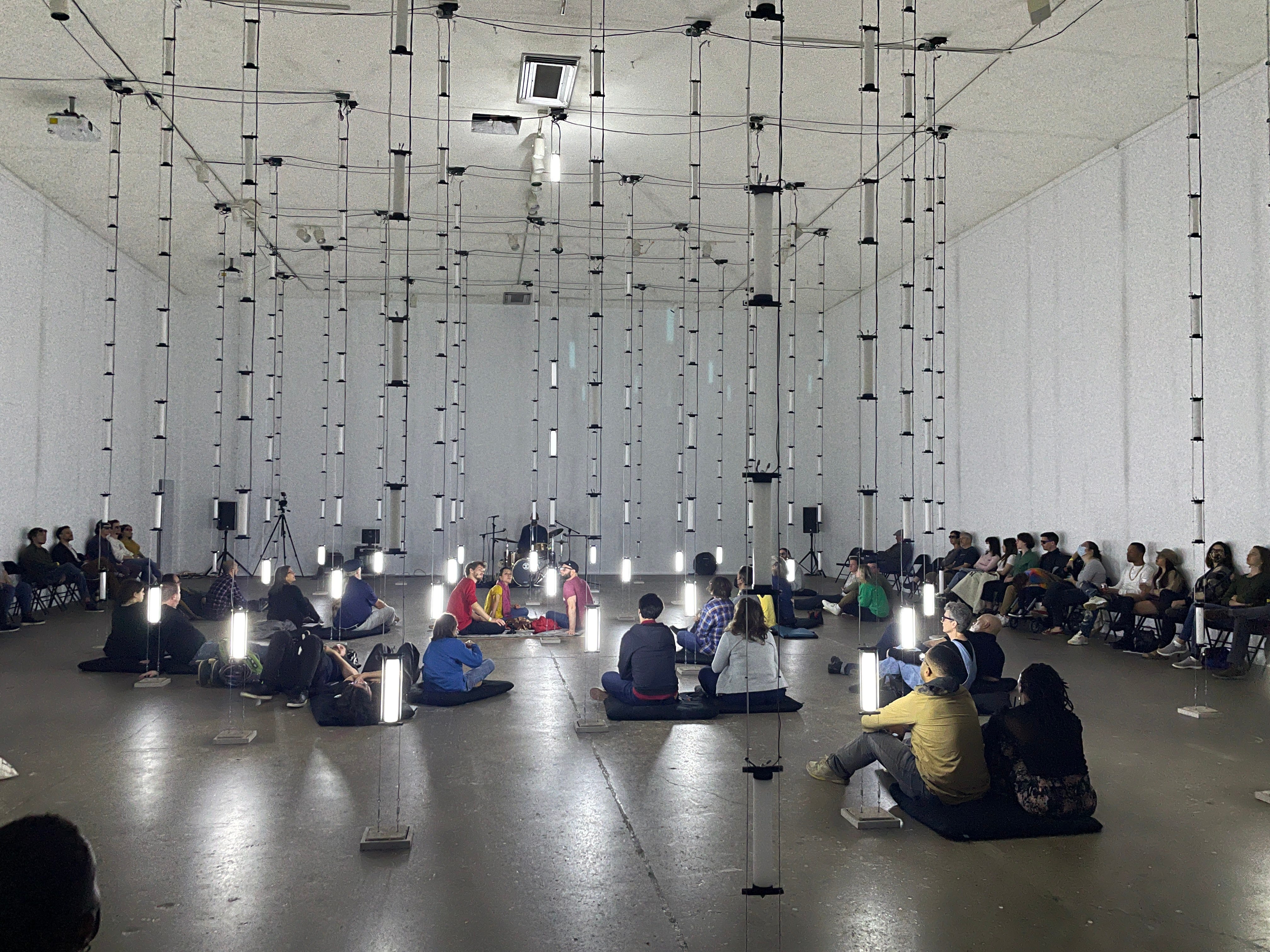
SOS: Do you think of the Icebox as a gallery that hosts performance—or a performance venue that hosts exhibitions—or something else entirely?
IPS: I definitely think of the Icebox as a project space first. It’s a large space that’s great for workshops, an idea being ambitious, and we aren’t connected to anyone every year. Our calendar is divided into January and February, where we build our space out to look more like a concert venue. Then, we switch to a more visual art-based focus, and then will slip into performance and dance, film screenings, installation, and music. I love this about the Icebox, but I also think that it illuminates a problem here in Philly. When I go to our openings in different spaces, I recognize that crowd as belonging to that space, or if I go to certain concerts, I recognize that crowd as being a part of that particular music scene, and that goes the same with theater, circus, performance, dance, and so forth. I don’t feel like we have as much of a core following because we are so fractured in our programming. When we have an exhibition, I have a good sense of who’s gonna show up to that, and when we produce a concert, I know who’s gonna show up to that, but I wish there was more of a crossover.
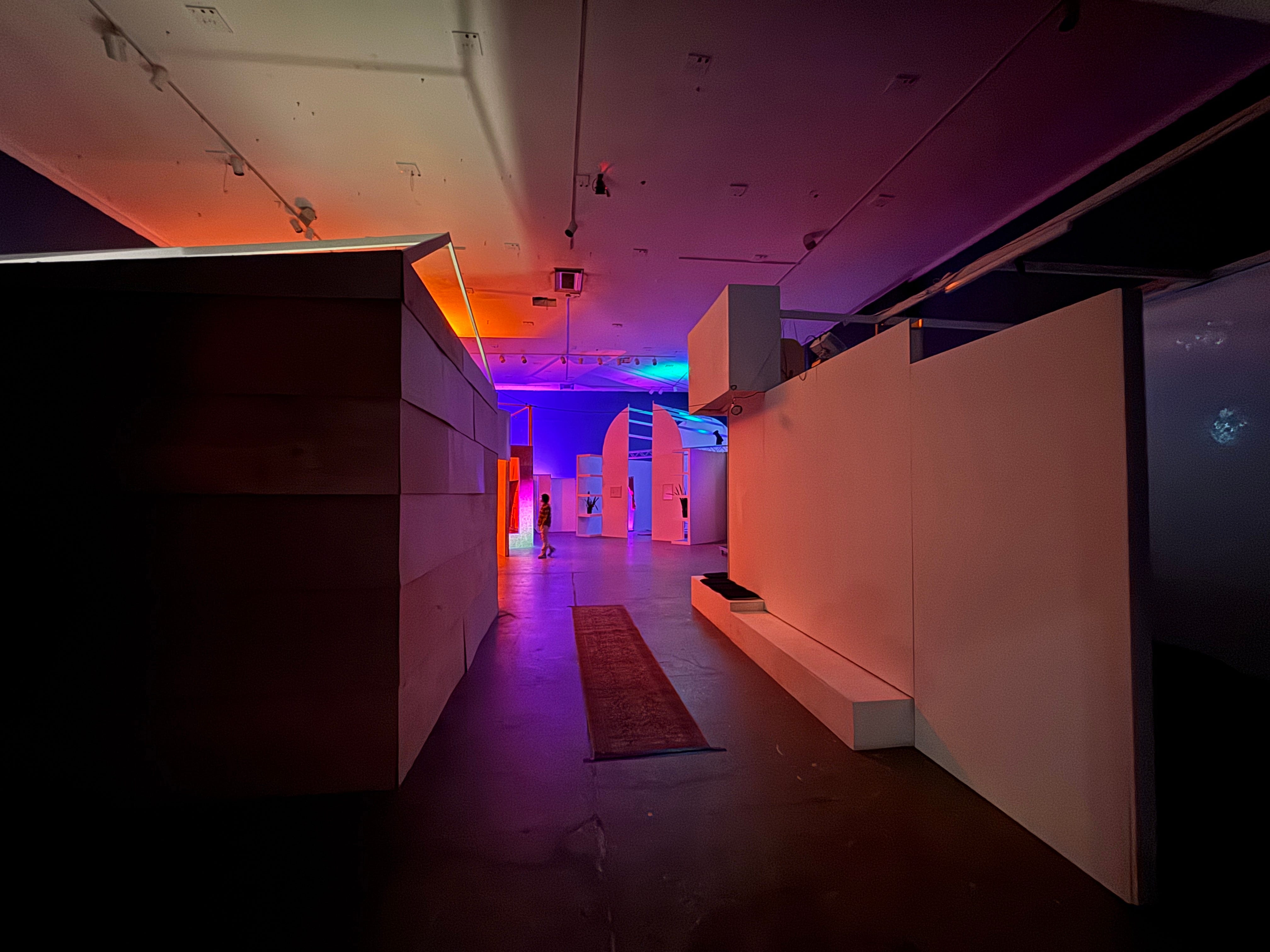
SOS: What does it actually cost—financially and emotionally—to run a space like the Icebox?
IPS: Icebox is not a nonprofit, and we’ve always considered whether we should become a nonprofit. I think we still choose not to become a nonprofit to maintain an edge and agility, where, from my experience, becoming a nonprofit kind of smooths you out with a focus on a long term stabilization. But that has always left the Icebox unable to apply for a lot of the larger funding, and so it really does live paycheck to paycheck. Ryan, Logan Cryer, and I have worked for the Icebox for free because we believed it’s important, but that forces us to have to get second or third jobs to then pay our own bills. Running the Icebox would be emotionally less taxing if that weren’t the case. Every couple of years, we find ourselves back at a breaking point where we are just exhausted and don’t know if we want to continue. I can’t speak for Ryan and Logan, but the thing that keeps me going is my belief in Art as my religion.
SOS: Artblog mentioned a past show where a functional suspension bridge was built in the middle of the room. What does it take for you to say yes to ambitious fabrication at that level?
IPS: I’ve just never thought about anything being that hard to make. Obviously, there are restrictions around the cost and time, but if I don’t know how to build it, there is somebody who already knows how to build it. It’s just finding those people to make large and ambitious things happen. The Icebox is primarily run by Logan and me, but we also have an incredible crew of people who come in and help us when we have these larger or more ambitious projects. I am so grateful to anybody who has come in and helped us transform the space.
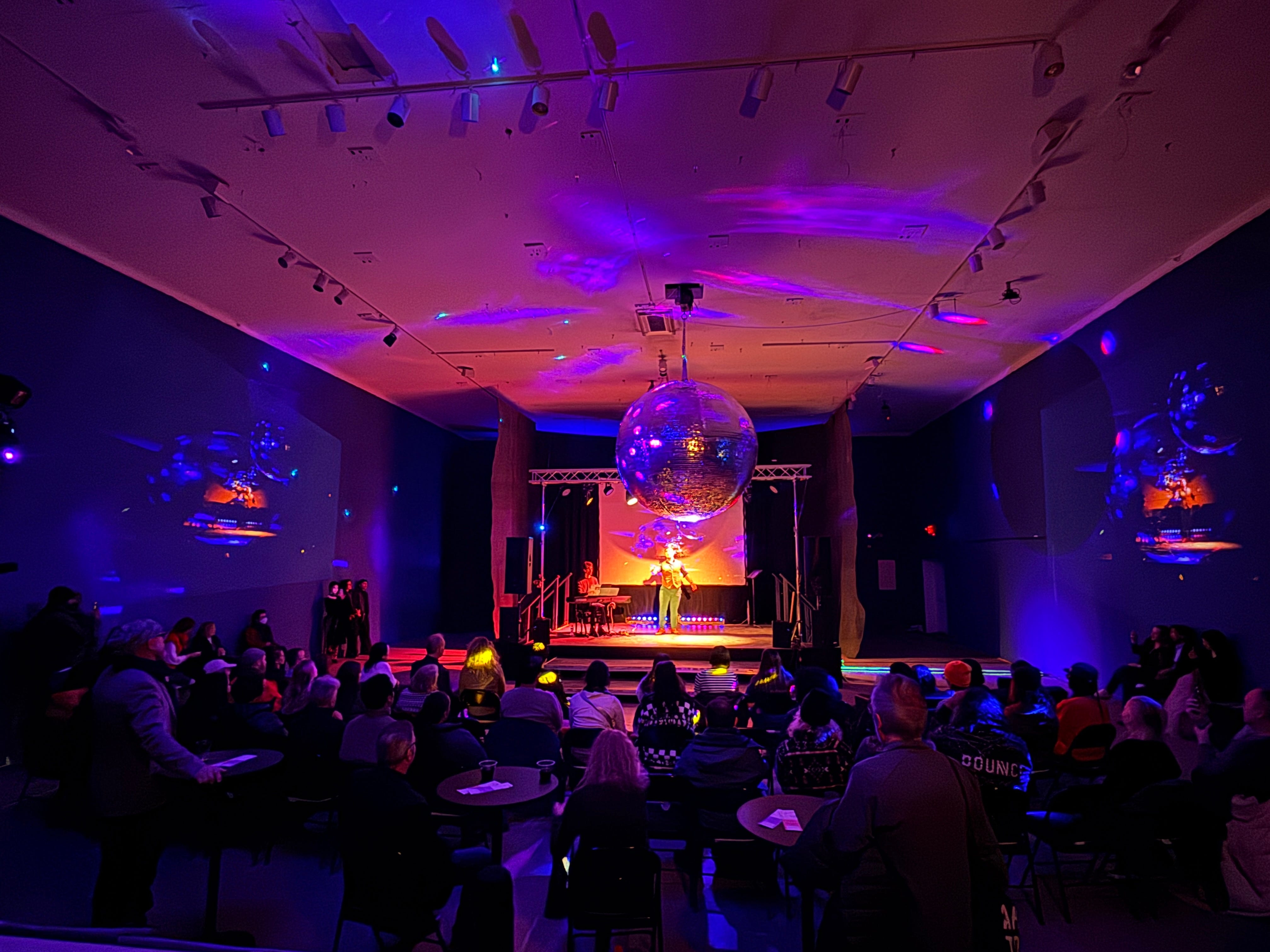
SOS: If a project like Collective Futures is mapping and strengthening the ecosystem, what would you want the public to understand about Icebox’s role in that network?
IPS: I think it would be great if the public thought of the Icebox as an intersection point through all these different forms of art and creativity, and that at any moment they might be having a new experience that is outside of their normal exposure, and that the Icebox feels alive.
SOS: What do you see as the biggest missing piece in Philly’s artist-run ecosystem right now—funding, space stability, documentation/archives, art criticism, tech resources, something else?
IPS: I think saying money is maybe too easy an answer. I think what I would say is more investment into the art scene of Philadelphia from both the city government, the viewing public, and some of the larger funders.
We could have a town of a million artists and no art scene if you don’t have people doing the work of a curator, organizer, or facilitator. So please go support the people who are putting on the shows that resonate with you, thank them for their work, and volunteer time if you have it.